


Why Shoulder Pain Shouldn’t Be Ignored
Shoulder pain can worsen over time and limit your ability to perform everyday tasks like lifting, reaching overhead, or even sleeping comfortably. Without proper treatment, minor issues can develop into more serious conditions that affect mobility and strength.
Early treatment helps prevent long-term complications and allows you to recover faster with a personalized care plan.
Common Causes of Shoulder Pain
- Rotator cuff injuries or tears
- Shoulder impingement
- Frozen shoulder (adhesive capsulitis)
- Tendonitis or bursitis
- Arthritis or joint degeneration
- Muscle imbalances or poor posture
No matter the cause, untreated shoulder pain can worsen over time and limit your mobility. Recognizing the symptoms early can help you understand when to seek treatment and prevent the condition from progressing.
Common Symptoms of Shoulder Pain
Shoulder pain can present in different ways depending on the underlying cause. Common symptoms include:
- Pain when lifting, reaching, or moving the arm overhead
- Limited range of motion in the shoulder joint
- Weakness in the shoulder or arm
- Sharp, dull, or aching pain during movement or at rest
- Difficulty sleeping on the affected side
- Stiffness or tightness in the shoulder
- Clicking, popping, or catching sensations during movement
Learn more about our shoulder pain treatment physical therapy services in Chesapeake, VA and how we help patients recover safely.
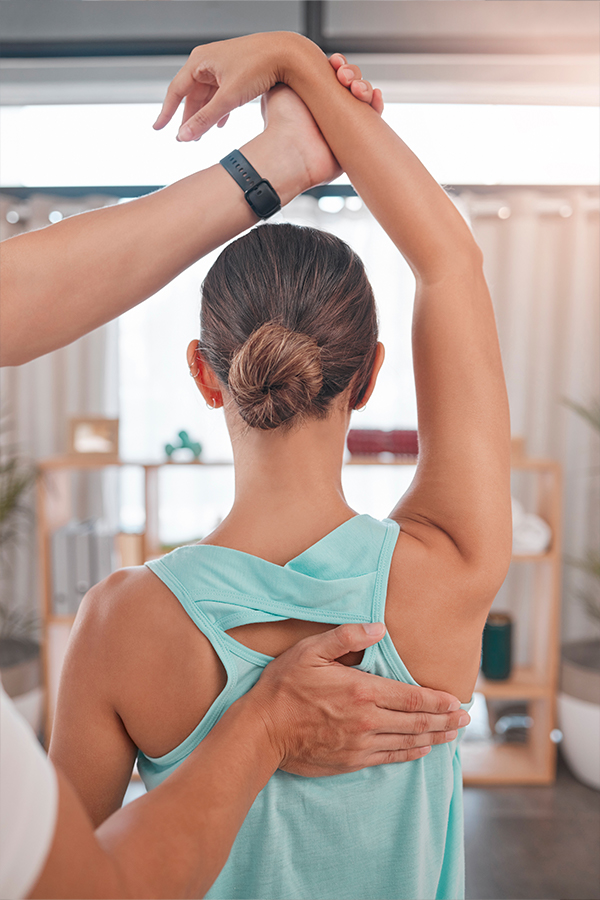
FAQs About Physical Therapy for Shoulder Pain
Recovery time depends on the cause and severity of your shoulder pain. Some patients notice improvement within a few visits, while more complex conditions may take several weeks. Your physical therapist will create a personalized plan based on your condition and goals.
Physical therapy can treat a wide range of shoulder conditions, including rotator cuff injuries, shoulder impingement, frozen shoulder (adhesive capsulitis), tendonitis, and arthritis. It is also an important part of recovery after shoulder surgery, helping restore mobility, strength, and function safely.
Yes, physical therapy is one of the most effective treatments for rotator cuff injuries. Treatment focuses on strengthening surrounding muscles, improving mobility, and reducing pain to support recovery—often without the need for surgery.
Physical therapy is designed to reduce pain, not cause it. Some exercises may create mild discomfort as your shoulder adjusts, but your therapist will guide you through treatment at a safe and appropriate pace.
Yes. Physical therapy is often one of the first treatment options for rotator cuff injuries. Treatment focuses on reducing pain, improving shoulder mobility, restoring strength, and helping patients safely return to work, sports, and daily activities.
Physical therapy can be highly effective for shoulder impingement. A customized treatment plan may help improve shoulder mechanics, reduce inflammation, restore range of motion, and strengthen the muscles that support proper shoulder function.
Chronic shoulder pain can result from rotator cuff injuries, shoulder impingement, arthritis, bursitis, tendonitis, frozen shoulder, instability, or previous injuries. A thorough evaluation can help identify the underlying cause and guide treatment.
Yes. Physical therapy is a common treatment for frozen shoulder (adhesive capsulitis). Treatment may help improve mobility, reduce stiffness, decrease pain, and restore shoulder function over time.
You should consider physical therapy if shoulder pain persists for more than a few days, limits your ability to lift your arm, interferes with work or sports, causes weakness, or affects your daily activities and sleep.
In many cases, an MRI or other imaging is not required before beginning physical therapy. A physical therapist can evaluate your symptoms and movement patterns to develop an appropriate treatment plan. If additional imaging is needed, your healthcare provider can make recommendations.
Yes, we provide post-surgical physical therapy in Chesapeake, VA to help patients recover safely and return to normal activities.
Physical therapy can help manage the symptoms of shoulder arthritis by improving range of motion, strengthening surrounding muscles, reducing pain, and helping patients maintain an active lifestyle.
Physical therapy may help improve shoulder stability, strength, and function for some patients with labral injuries. Treatment plans are tailored to the severity of the injury and the individual’s goals and activity level.
In some cases, physical therapy can help patients avoid or delay shoulder surgery by improving strength, mobility, stability, and overall shoulder function. Many shoulder conditions respond well to conservative treatment.
Yes. Physical therapy is often a critical part of recovery following shoulder surgery. Rehabilitation helps restore range of motion, rebuild strength, reduce pain, and support a safe return to normal activities.
Recovery time varies depending on the procedure performed and individual factors. Many patients participate in physical therapy for several weeks to several months to achieve optimal recovery and shoulder function.
Shoulder rehabilitation typically includes targeted exercises, stretching, manual therapy, mobility training, and strengthening techniques designed to restore function and reduce pain. Your treatment plan will be customized to your condition and recovery goals.
Virginia allows direct access to physical therapy, meaning many patients can begin treatment without a referral. Some insurance plans may still require one. Our Chesapeake team can help confirm requirements before your first visit.
Our Chesapeake physical therapy clinic commonly treats orthopedic injuries, post‑surgical recovery, sports injuries, joint pain, and mobility limitations. Treatment plans are personalized to each patient's needs and goals.
Your first appointment includes a one‑on‑one evaluation with a licensed physical therapist. We assess movement, strength, and functional limitations to create a customized physical therapy plan.
Yes. Our Gainsborough Square location is conveniently located for patients throughout Chesapeake and nearby communities, with on‑site parking available.