

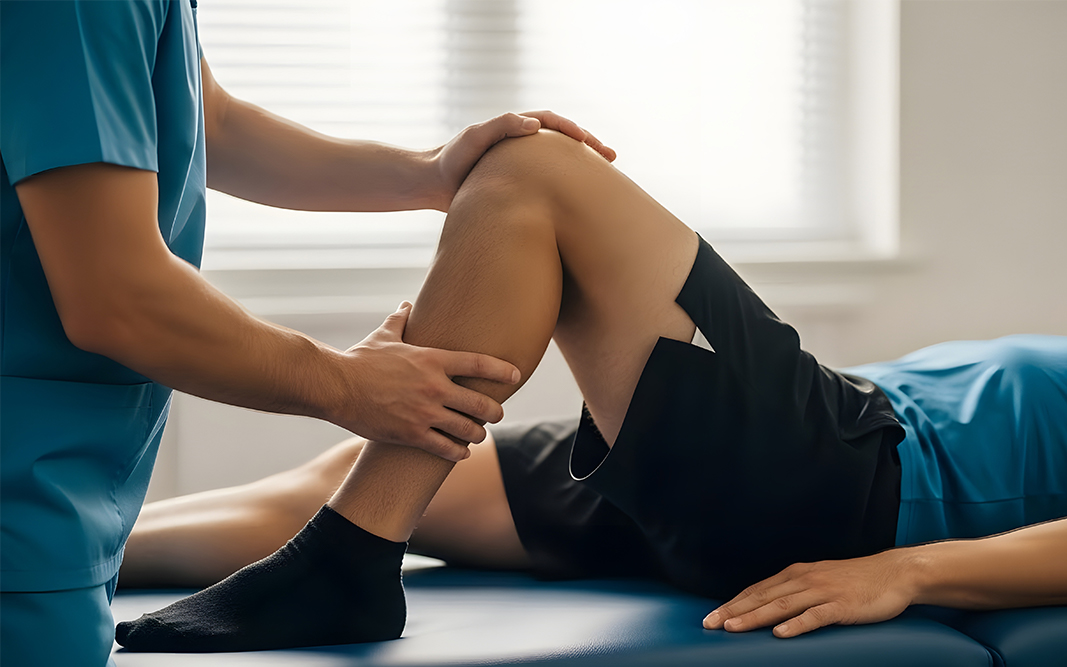
What Causes Knee Pain?
Knee pain can develop for many reasons, from overuse and sports injuries to age-related wear and tear. Identifying the cause of your discomfort is the first step toward getting the right treatment and lasting relief.
Common Causes of Knee Pain
- Ligament injuries (ACL, MCL, or sprains)
- Meniscus tears
- Tendonitis or overuse injuries
- Arthritis and joint degeneration
- Muscle imbalances or weakness
- Poor movement patterns or alignment issues
No matter the cause, untreated knee pain can worsen over time and limit your mobility. The good news is that physical therapy offers effective, non-surgical treatment options tailored to your condition and activity level.
Common Symptoms of Knee Pain
- Pain when walking or climbing stairs
- Swelling or stiffness in the knee
- Clicking, popping, or instability
- Difficulty bending or straightening the leg
- Weakness or reduced mobility
Learn more about our knee pain treatment physical therapy services in Newport News, VA and how we help patients recover safely.
FAQs About Physical Therapy for Knee Pain
In many cases, Virginia allows direct access to physical therapy without a referral. However, some insurance plans may require one, so we recommend checking with your provider or contacting our team for guidance.
Our partnership with Invictus Health enhances your care by providing a collaborative approach to treatment. This means better coordination, access to additional healthcare resources, and a more streamlined patient experience.
Recovery times vary depending on the cause and severity of your knee pain, as well as your overall health and activity level. Some patients notice improvements within a few weeks, while others with more complex conditions may require several months of treatment. Your physical therapist will develop a personalized treatment plan designed to help you achieve the best possible outcome.
Physical therapy can treat a wide range of knee conditions, including ligament injuries, meniscus tears, tendonitis, arthritis, and muscle imbalances. It is also an essential part of recovery after knee replacement surgery and other orthopedic procedures. Post-surgical physical therapy focuses on restoring mobility, improving strength, reducing stiffness, and helping you safely return to daily activities. Treatment plans are personalized to reduce pain, improve function, and support long-term joint health.
In many cases, physical therapy can help patients avoid or delay knee surgery by addressing the root causes of pain and dysfunction. Through targeted exercises, manual therapy, and movement training, physical therapy may improve strength, stability, and joint function enough to reduce symptoms and improve quality of life.
Yes. Physical therapy is often an effective treatment for knee osteoarthritis. A customized program can help improve joint mobility, strengthen the muscles that support the knee, reduce pain, and make everyday activities such as walking, climbing stairs, and standing more comfortable.
Chronic knee pain can result from arthritis, overuse injuries, tendonitis, ligament injuries, meniscus tears, muscle imbalances, poor biomechanics, or previous trauma. A physical therapist can evaluate your symptoms and movement patterns to identify contributing factors and develop an effective treatment strategy.
Many meniscus injuries respond well to physical therapy. Treatment focuses on improving knee mobility, strengthening surrounding muscles, reducing pain, and restoring stability. Physical therapy may help some patients avoid surgery, while others may benefit from rehabilitation before or after a surgical procedure.
You should consider visiting a physical therapist if your knee pain lasts more than a few days, keeps returning, affects your daily activities, limits your ability to exercise, or causes swelling, stiffness, or instability. Early treatment can often prevent symptoms from worsening and promote faster recovery.
In most cases, an x-ray, MRI, or other imaging is not required before beginning physical therapy. A physical therapist can perform a thorough evaluation to assess your condition and determine an appropriate treatment plan. If additional imaging is needed, your therapist can coordinate with your physician to ensure you receive the appropriate care.
Yes. Physical therapy is a key component of both non-surgical and surgical ACL injury treatment. Rehabilitation helps restore knee strength, stability, balance, range of motion, and functional movement patterns to support a safe return to sports and everyday activities.
The length of ACL rehabilitation depends on the severity of the injury and whether surgery is performed. Patients recovering from ACL reconstruction often participate in physical therapy for several months to safely restore strength, mobility, and athletic performance before returning to full activity.
Absolutely. Physical therapy is an essential part of recovery following ACL reconstruction. Treatment focuses on reducing swelling, restoring range of motion, rebuilding strength, improving balance and coordination, and helping patients safely return to sports, work, and daily activities.
Yes. Physical therapy plays a critical role in recovery after many knee procedures, including ACL reconstruction, meniscus repair, knee arthroscopy, and total knee replacement. Rehabilitation helps restore mobility, strength, flexibility, and function while reducing the risk of complications.
The timing varies depending on the procedure and your surgeon’s recommendations. In many cases, physical therapy begins within days after surgery to promote healing, restore movement, manage swelling, and support a safe recovery process.
Yes. Physical therapy is one of the most important parts of knee replacement recovery. Treatment focuses on regaining range of motion, rebuilding strength, improving walking mechanics, reducing pain, and helping patients return to normal daily activities as safely and quickly as possible.
Recovery timelines vary, but many patients participate in physical therapy for several weeks to several months following knee replacement surgery. Your therapist will monitor your progress and adjust your treatment plan to help you achieve your mobility and functional goals.
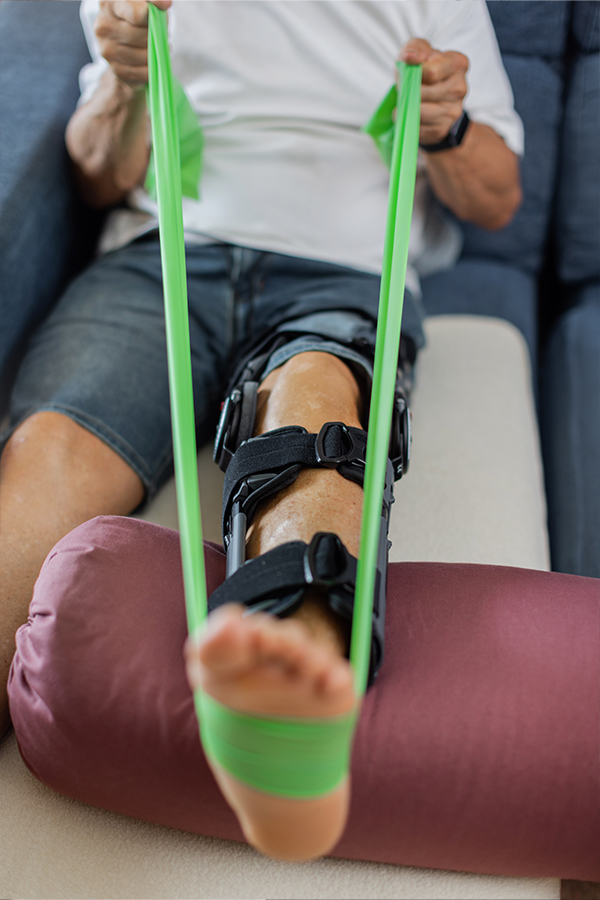
Post-operative knee rehabilitation typically includes exercises to improve range of motion, strengthen the muscles surrounding the knee, reduce swelling, improve balance, and restore normal walking patterns. Your physical therapist will guide you through each phase of recovery and tailor treatment to your specific procedure and recovery goals.
At our Port Warwick clinic, we offer comprehensive physical therapy services, including orthopedic rehab, post-surgical rehabilitation, injury recovery, and personalized treatment plans. This location operates in partnership with Invictus Health to provide high-quality, coordinated care.
Yes, our Port Warwick location is conveniently located with easy access, nearby parking, and a welcoming environment. We strive to make every visit smooth and stress-free so you can focus on your recovery.
Your first visit includes a thorough evaluation by a licensed physical therapist who will assess your condition, review your medical history, and create a customized treatment plan. You may also begin treatment during your first appointment.
We treat a wide range of conditions including back pain, neck pain, joint injuries, sports injuries, post-surgical recovery, and mobility limitations. Our team works closely with Invictus Health to ensure a comprehensive approach to your care.