



Speech-Language Therapy
ATG Speech-Language Therapy pathologists (SLPs) specialize in evaluating and treating a wide range of speech, language, swallowing, and cognitive communication impairments.
They actively help patients strengthen their skills, apply adaptive techniques to manage chronic or progressive conditions, and educate both patients and caregivers on strategies to enhance independence and quality of life.
By working closely with patients and their families, Adler Therapy Group SLPs develop tailored treatment plans that align with individual needs and goals, ensuring effective and personalized care.
PEDIATRIC & ADULT

Childhood Apraxia of Speech
At Adler Therapy Group, we take an active approach to helping children with Childhood Apraxia of Speech (CAS) overcome communication challenges. Our speech-language pathologists specialize in personalized treatment strategies that target the complex motor movements required for clear, confident speech. With tailored therapy, we empower children to strengthen their articulation and express themselves effectively, ensuring they build the foundational skills for lifelong communication success.
Adult Diagnoses Include:
Speech-Language Therapy Treatments Address:
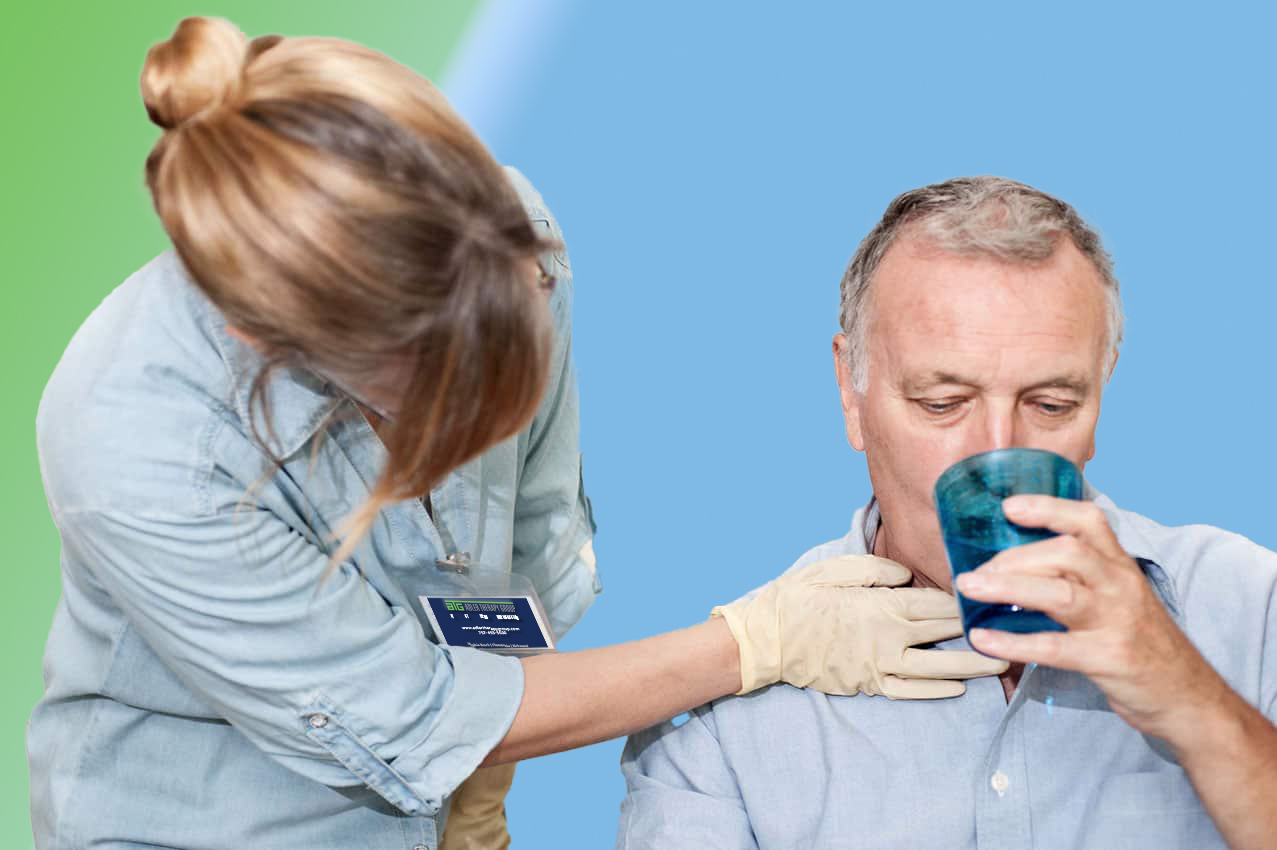
Speech-Language Therapy pathologists work with patients and their families to tailor the treatment plan according to each individual’s needs and goals.
- Voice
A communication disorder resulting in variation in vocal quality, loudness, or pitch that impact’s the person’s ability to meet daily needs. It can be a result of a physical change to the vocal tract or arise from misuse of vocal subsystems.
- Aphasia
The loss of language which is typically caused by a brain injury (CVA, TBI, or tumor). Aphasia can impact talking, listening, writing, and reading. - Dysarthria
A speech disorder that results in the slurring of speech. Dysarthria is typically related to respiratory, phonatory, resonance or articulatory weakness and may be a result of CVA, Parkinson’s
Disease, or other acquired disorders. - Apraxia
Difficulties with coordinating and sequencing sounds in words, resulting in speech sound disorders (often following CVA). - Cognition
Difficulties with executive functioning, memory, attention, visuospatial skills, and processing speed as a result of CVA, neurodegenerative
disease, concussion, TBI, or encephalopathy. - Dysphagia
A swallowing disorder which may be characterized by a variety of symptoms including complaints of food feeling stuck in throat, coughing during meals with food or drink, loss of food/drink from mouth, or recurrent aspiration pneumonia.